Classical Imagery & Cultural Symbols
Explore the core symbols of classical verse, from moonlight and willow branches to wine and winter plum blossoms.
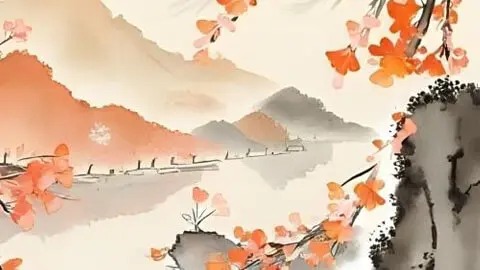
The Autumn Wind: Melancholy, Exile, and the Chill of Aging
When the west wind blows across northern China, ancient poets felt the chill of aging and exile. Explore autumn as classical poetry's ultimate season of introspection.
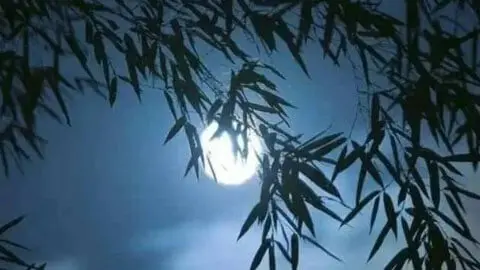
The Bright Moon: A Cosmic Mirror for Homesickness
Why do poets like Li Bai and Su Shi constantly gaze at the moon? Explore how the bright moon serves as a cosmic mirror connecting distant loved ones across space and time.
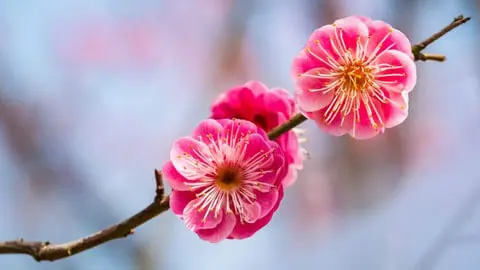
The Plum Blossom: Resilience in the Harsh Winter
Blooming alone amidst ice and snow, the plum blossom stands as China's ultimate symbol of moral integrity, solitude, and unwavering perseverance.
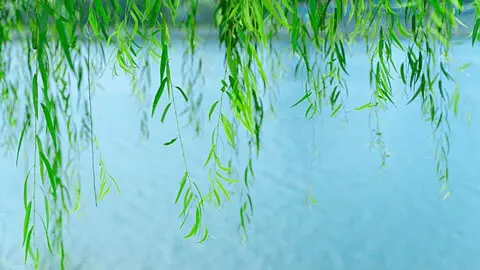
The Willow Branch: The Bitter Aesthetics of Farewell
Discover why ancient Chinese poets plucked willow branches at the bridges of Chang'an. Explore the deep contradictions of spring, rebirth, and the sorrow of parting.
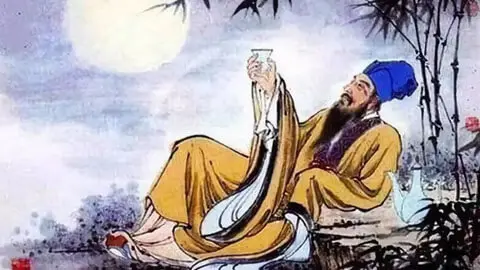
Wine in Tang Poetry: Transcendence, Solace, and Poetic Fire
From Li Bai's immortal toasts to Du Fu's tragic solaces, explore how wine became the ultimate fuel for creative genius and existential transcendence in classical verse.